 Glimpsa
The fastest way to expose a catfish: run their photos through a face search. A catfish's identity is borrowed — the pictures belong to a real person somewhere on the public web. When the face traces back to accounts under a different name, the story collapses. The test takes about 60 seconds.
The classic warning signs of a catfish
- They'll never video call. The camera is always broken, the connection always bad. This is the single biggest tell.
- Their photos are too polished. Model-quality shots, but no candid, everyday pictures — because they only have what they could steal.
- Their online footprint is thin. Few friends or followers, a recently created account, no tagged photos from other people.
- The story escalates fast. Intense romance within days, dramatic emergencies, and eventually — always — a reason they need money.
- Details drift. Small inconsistencies about where they live, work or grew up.
Three or more of these? Time for the photo test.
The 60-second catfish photo test
🕵️ Run the test with Sherlock
- Save 2–3 of their photos. Screenshots work. Pick clear, front-facing shots and crop to the face.
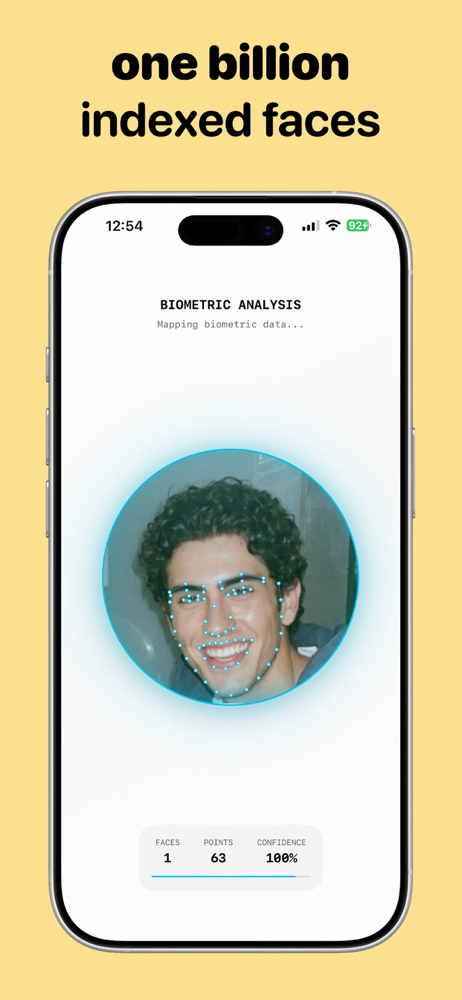
- Upload each to Sherlock Face Search. The AI compares the face against a billion+ publicly indexed faces across social platforms, websites and news sources.
- Check the names on the matches. This is the moment of truth. Same face, different name, different life? You've found the real owner of those photos — and confirmed the catfish.
Reading the results
- Face matches accounts under the name they gave you — likely genuine. Combine with a video call to be sure.
- Face matches a different person entirely — confirmed catfish. The photos are stolen from that person's public accounts.
- Photos appear across many unrelated profiles — the images are recycled scam material. Walk away.
- No matches — inconclusive but not a pass. AI-generated faces return no matches too; insist on a live video call.
What to do if you confirm a catfish
- Stop responding. Don't confront them with what you found — they'll just move to a new account faster.
- Never send money, gift cards, or crypto — and don't "verify yourself" with codes or documents.
- Keep evidence. Screenshot the conversations and profile before blocking.
- Report the account on the platform, and report financial scams to your local fraud authority (in the US: reportfraud.ftc.gov).
- Warn the photo's real owner if you can identify them — their pictures are being misused. Our guide on finding your own photos online can help them too.
Frequently asked questions
What is catfishing?
Pretending to be someone else online using a fake identity — usually built on photos stolen from a real person's public accounts, targeting victims on dating apps and social media.
How do I check if photos are stolen?
Upload them to Sherlock. If the face matches public accounts under a different name, the photos are stolen.
Can a catfish avoid face search?
Increasingly, catfish use AI-generated faces that return no matches. That's why "no results" plus "refuses to video call" should still be treated as a red flag.
Trust, but verify.
One photo is all Sherlock needs to check who you're really talking to. Free on Google Play.